

Dîroka Edebyata Kurmancî retraces four centuries of Kurmanji writing — the poets, the manuscripts and the alphabets.
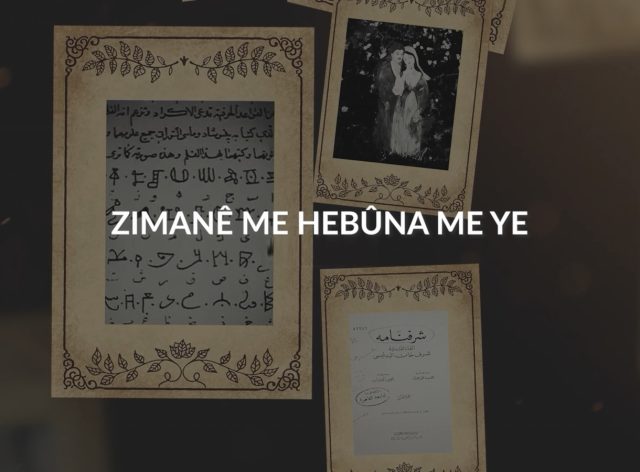
Kurmanji literature has a written tradition that reaches back to classical poets such as Melayê Cizîrî and Feqiyê Teyran, whose verses were copied by hand in madrasas across the region.
Mem û Zîn
In 1692 Ehmedê Xanî completed Mem û Zîn, a long poem about two lovers kept apart. Beyond the love story, Xanî’s introduction is one of the earliest reflections on Kurdish identity, and the work is still read and performed today.
A new alphabet
In the twentieth century writers such as Celadet Alî Bedirxan developed a Latin alphabet for Kurmanji and published it in the magazine Hawar from 1932. That alphabet is the one used in Kurmanji publishing today, alongside the Arabic script still common in Behdînan.
The WAAR programme on the history of Kurmanji literature brings these writers to a new audience with readings, manuscripts and interviews with scholars.